Pistachio Pesto Recipe
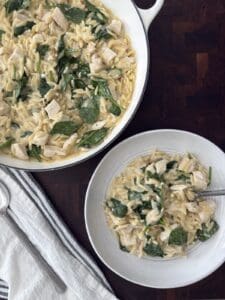
This pistachio pesto recipe is a quick, five-ingredient, homemade sauce, perfect for pasta, chicken, or topping roasted vegetables. It’s easy to make a big batch in advance and enjoy throughout the week.
Over the years, I’ve learned that the best sauces are the ones you actually make again and again. This pistachio pesto recipe is a quick, restaurant-quality sauce I make often. It’s creamy, rich, and comes together in just minutes. Made with pistachios, fresh basil, good olive oil, and Parmesan cheese, it has the familiar feel of classic pesto with a slightly nuttier, more luxurious finish.
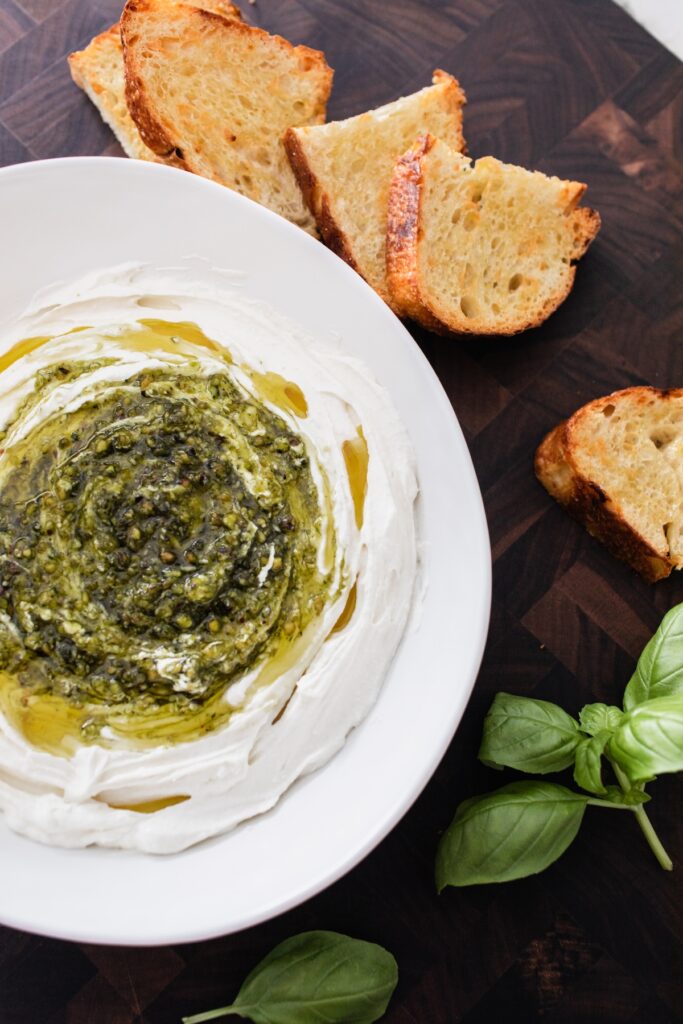
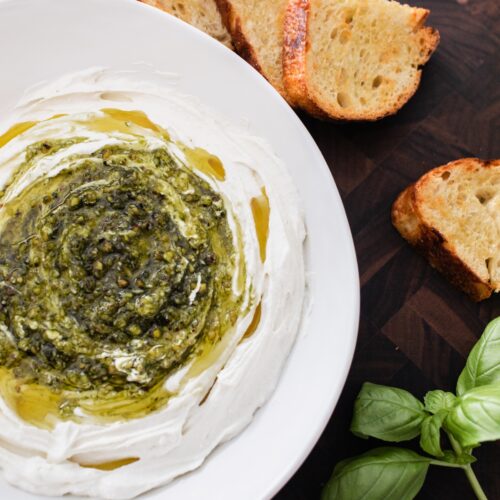
I love keeping this pistachio pesto on hand for easy, flexible meals throughout the week. It’s great tossed with pasta, spooned over grilled chicken or meats, or swirled into whipped ricotta and served as a simple dip with crusty bread. It’s one of those sauces that quietly elevates whatever you’re cooking.
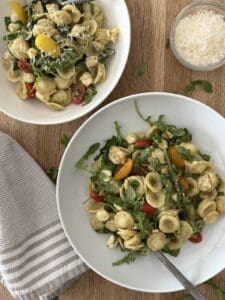
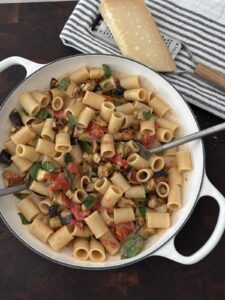
If you love simple, Italian-inspired meals like this, you’ll find plenty of easy dinner ideas in my pasta recipes. And if you love pestos, you might also love my chicken pesto pasta salad or this vegetarian eggplant pasta.
Table of Contents
Why You’ll Love This Pistachio Pesto
- A fresh upgrade from traditional basil pesto: Pistachios add a naturally creamy texture and rich, nutty flavor while still keeping the sauce rooted in classic Italian technique.
- Ready in under 10 minutes: Everything comes together quickly in a food processor, making this an easy sauce to make anytime — and even easier to keep on hand.
- Versatile for pasta, proteins, and more: Toss it with pasta, spoon it over grilled chicken or steak, layer it onto sandwiches, or use it as a finishing touch for roasted vegetables.
- Naturally creamy without heavy cream: The pistachios and olive oil create a smooth, luscious texture without the need for cream or butter.
Ingredients
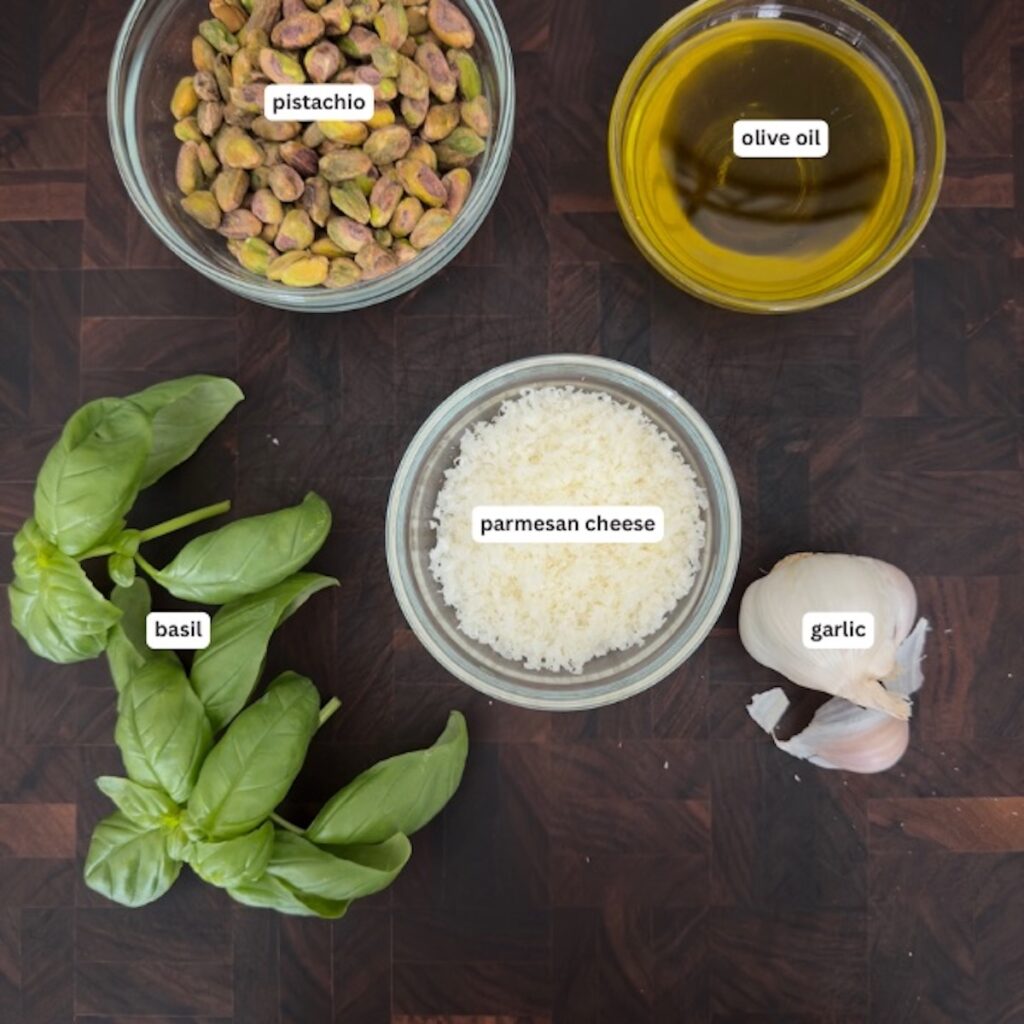
- Shelled unsalted pistachios — Naturally creamy with a rich, slightly sweet flavor that gives this pesto it’s signature taste.
- Fresh basil leaves — Adds freshness and classic pesto flavor.
- Garlic clove — Just enough to add depth without overpowering the pistachios.
- Extra virgin olive oil — Use a high-quality olive oil for the smoothest texture and best flavor.
- Parmesan cheese — Adds saltiness and umami to balance the pesto.
- Kosher salt — Season to taste after blending.
How to Make Pistachio Pesto
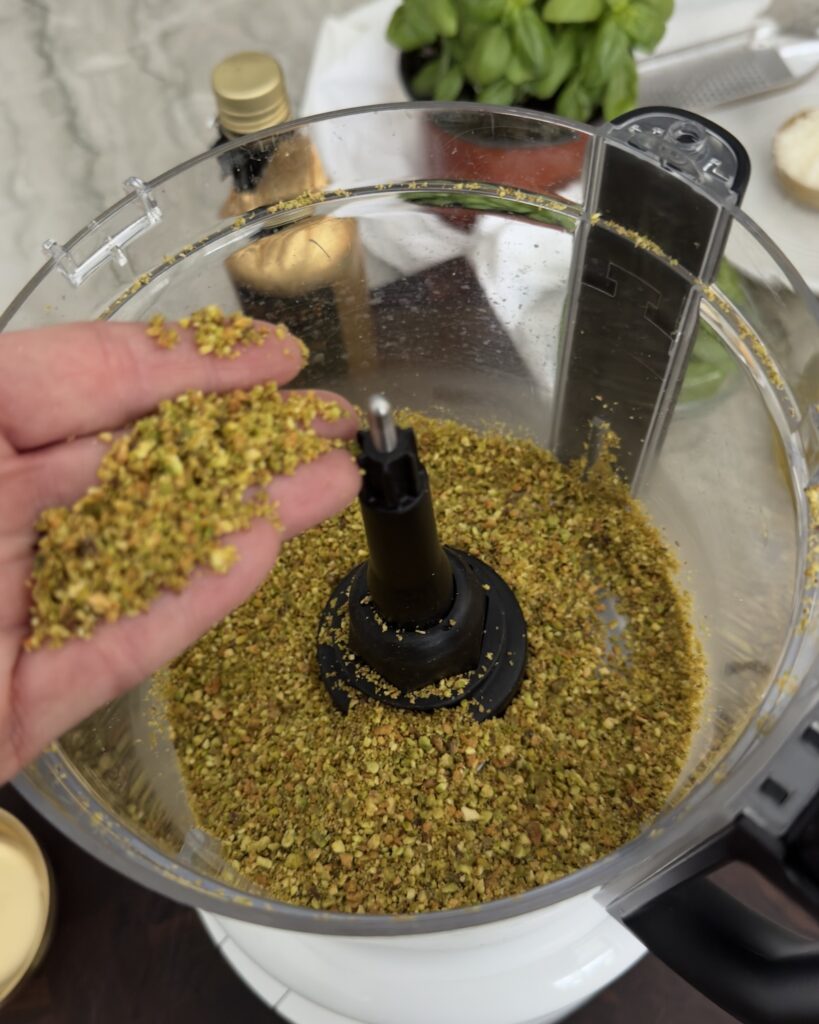
- Add the pistachios to a food processor and pulse until finely chopped.
- Add the basil leaves and garlic, then pulse again until well combined.
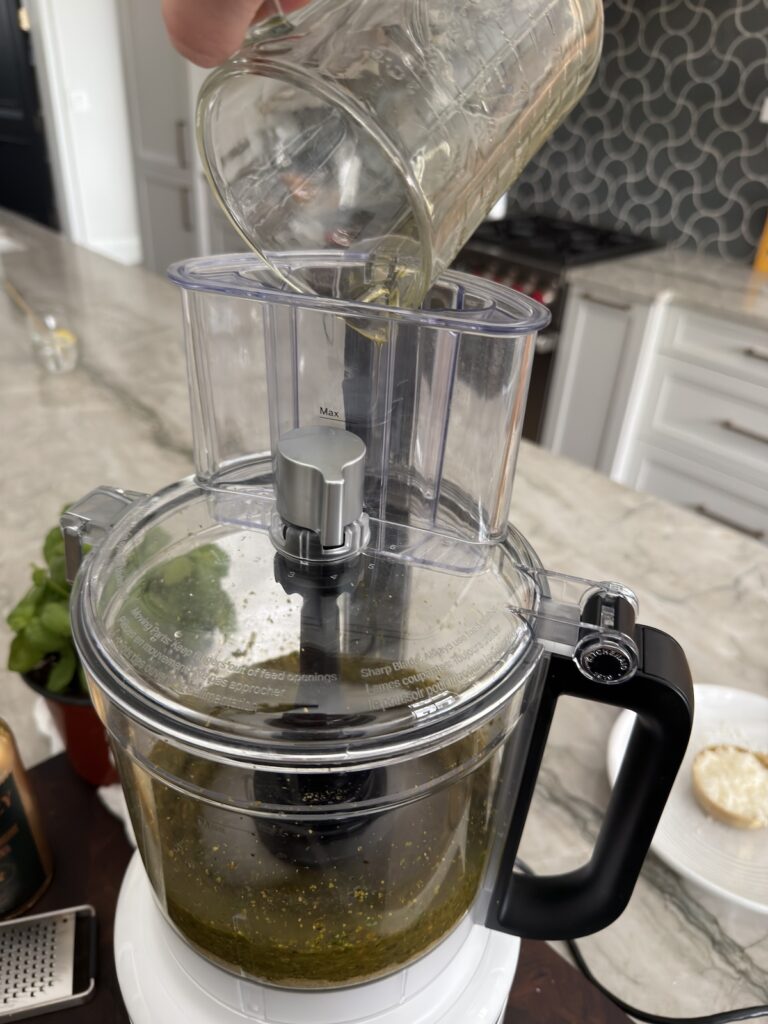
- With the food processor running, slowly stream in the olive oil until the pesto is smooth and cohesive.
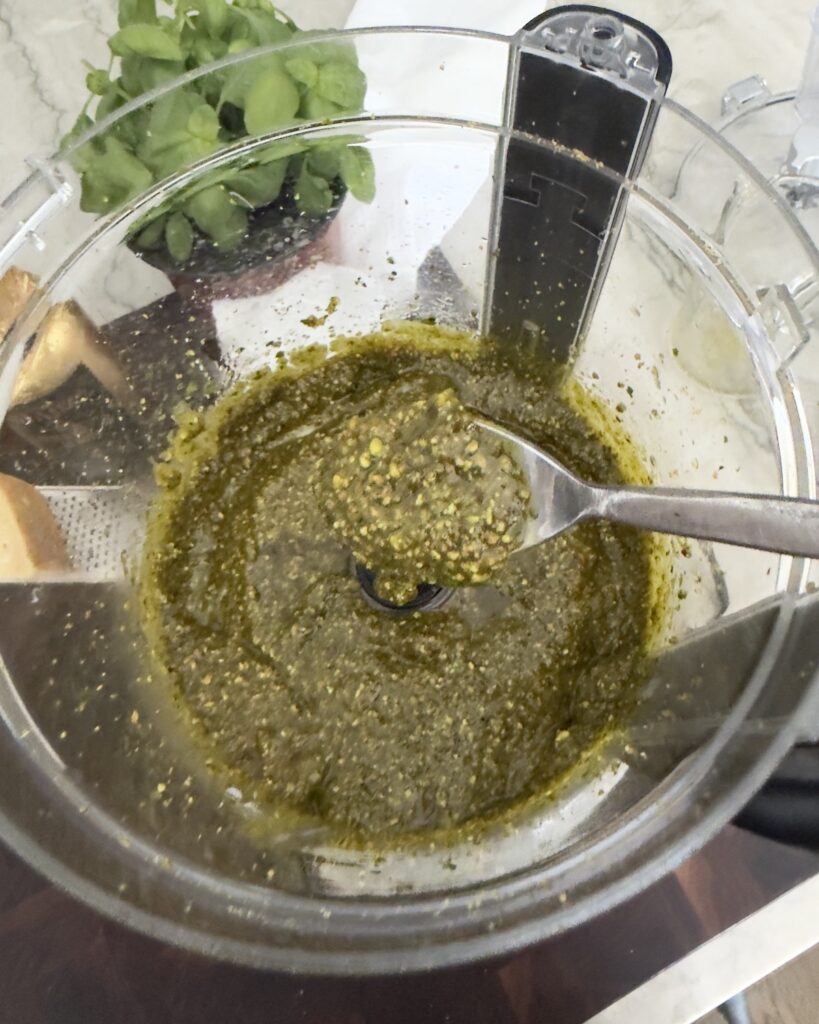
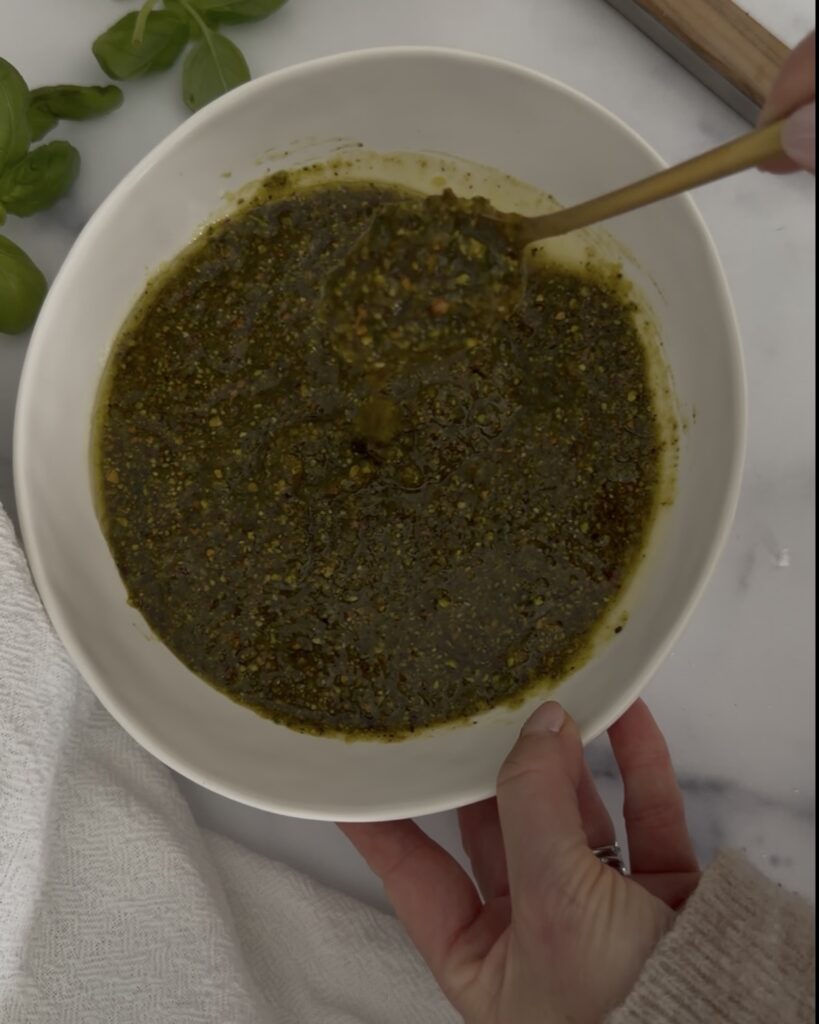
- Transfer the pesto to a bowl and stir in the grated Parmesan cheese.
- Taste and season with kosher salt as needed.
Expert Tips
- Toast the pistachios for a deeper flavor. Lightly toasting the pistachios enhances their nuttiness, but this step is optional. I often skip it when I want a fresher, greener pesto.
- Use a high-quality olive oil. Since this recipe is simple, the quality of the olive oil really matters. A good extra virgin olive oil makes the pesto smoother and more flavorful.
- Taste before adding salt. Parmesan cheese adds a natural saltiness, so always taste the pesto before adding any seasoning.
- Loosen with pasta water when using as a sauce. If you’re tossing this with pasta, a splash of reserved pasta water helps the pesto coat the noodles beautifully.
- Protect the color. When storing, smooth the surface and add a thin layer of olive oil on top to help prevent browning.
Variations
- Nut-free: Swap the pistachios for pumpkin seeds for a similar texture without nuts.
- Vegan: Skip the Parmesan cheese or use a vegan Parmesan alternative.
- Extra herby: Add a small amount of fresh mint or flat-leaf parsley along with the basil for a brighter, more herb-forward pesto.
- Creamy: Blend the pesto with ricotta or Greek yogurt for a creamy sauce that’s especially good with pasta or grilled chicken.
Storage and Make Ahead
Pistachio pesto is best when freshly made, but it stores well with proper handling. Transfer the pesto to an airtight container, smooth the surface, and cover with a thin layer of olive oil to help preserve color and flavor. Refrigerate for up to 3 days for best quality.
For longer storage, pistachio pesto can be frozen in small portions. Spoon it into a freezer-safe container or freeze in an ice cube tray, then transfer to a sealed bag once solid. Store in the freezer for up to 1 month to maintain its flavor and bright color. Thaw in the refrigerator and stir well before using, adding a drizzle of olive oil if needed.
FAQs
Yes. If you don’t have basil, arugula is the best substitute and adds a fresh, slightly peppery flavor that works well with pistachios. Spinach can also be used, but it’s best paired with a small amount of a more vibrant herb, such as parsley or mint, so the pesto doesn’t taste flat.
Pistachio pesto has a slightly sweeter, nuttier flavor than traditional basil pesto, but it’s still savory. The Parmesan cheese and olive oil balance the natural sweetness of the pistachios.
Yes. Pistachio pesto freezes well, but for the best quality, use it within 1 to 2 months. Freeze in small portions and stir in the Parmesan cheese after thawing for the best texture and flavor.
More Delicious Pasta Recipes:
- Lemon Garlic Shrimp Pasta
- Ricotta and Spinach Gnocchi
- Sheet Pan Gnocchi
- Butternut Squash Ravioli Sauce
Pistachio Pesto Recipe (5 ingredients)
Equipment
- Food processor
Ingredients
- 1 cup Shelled unsalted pistachios
- 1 cup Fresh basil leaves
- 1 Small garlic clove
- 1/2 cup Extra virgin olive oil, plus more as needed
- 1/2 cup Freshly grated Parmesan cheese freshly grated
- Kosher salt, to taste
Instructions
- Add the pistachios to a food processor and pulse until finely chopped.
- Add the basil leaves and garlic and pulse until combined.
- With the food processor running, slowly stream in the olive oil until the pesto is smooth and cohesive.
- Transfer the pesto to a bowl and stir in the grated Parmesan cheese.
- Season with kosher salt to taste.
Notes
- For a smoother pesto, continue blending while streaming in additional olive oil as needed.
- Use high-quality extra virgin olive oil for the best flavor.
- This pesto can be made ahead and stored in the refrigerator with a thin layer of olive oil on top to prevent browning.