Sunday Sauce (Italian Sunday Gravy)
This Sunday sauce recipe, also known as Italian Sunday gravy, is the authentic dish my family has made for generations. Slow-simmered with several cuts of meat, it’s the perfect make-ahead sauce for a busy week the whole family will love.
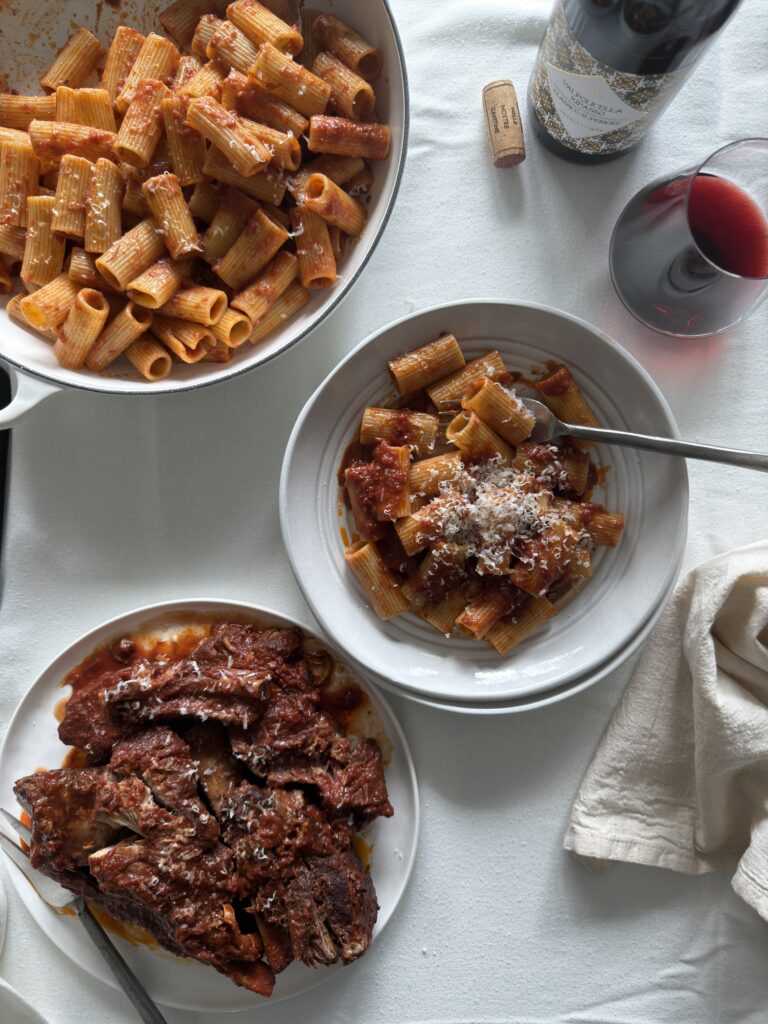
My family’s Sunday sauce traces back to my great-grandmother, who immigrated from Abruzzo in southern Italy. I grew up hearing stories about her and how this sauce became a family recipe, but I truly came to know it through Sundays spent in my grandmother’s kitchen, where a big pot of sauce quietly simmered on the stove all day long. People came and went, dipping bread straight into the pot, tasting the sauce, pulling up a chair, and staying awhile. It wasn’t an everyday meal. It was the kind of slow Sunday sauce you planned the whole day around.
I grew up watching my mom and my grandmother make this exact sauce, and now I make it the same way in my own kitchen for my family– with Sundays still centered around a pot quietly simmering on the stove.
Her version was simple and very meat-forward: no onion, no herbs—just meat, garlic, tomatoes, and time. That foundation is still what defines this sauce. Today, I keep the spirit of her recipe but use dry red wine, cook the tomato paste in butter and olive oil to deepen the flavor, and let everything simmer low and slow until the meat is tender and falling off the bone.
Table of Contents
Why You’ll Love This Sunday Sauce Recipe
- A recipe passed down through four generations. This Sunday sauce recipe originated with my great-grandmother, who came from Abruzzo, Italy, and was passed down through my grandmother and my mom before landing in my kitchen.
- Meat-forward comfort food. Bone-in beef short ribs and country-style pork ribs slowly braise in the sauce, giving this Sunday sauce a rich, hearty flavor that feels perfect for Sundays and holidays.
- Simple ingredients that give big flavor. There’s no long list of spices. You build flavor with browned meat, garlic, tomato paste, red wine, and pureed tomatoes—classic Italian gravy for pasta.
- Mostly hands-off cooking. The prep time is truly only 15 minutes. Once the meat is browned and the base is built, the pot does the work. The sauce simmers low and slow for 6–8 hours while you go about your day.
- Feeds a crowd with leftovers. This Sunday sauce recipe easily serves 6–8 people and often leaves extra sauce you can freeze for another busy night.
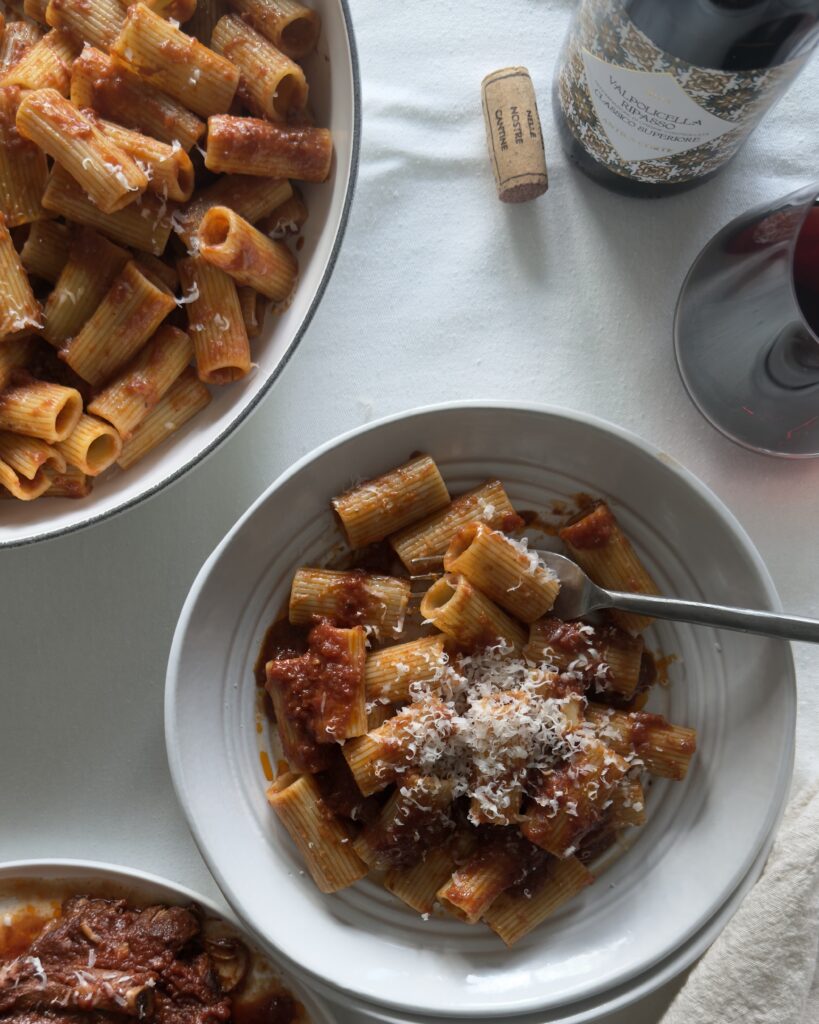
What Is Sunday Sauce? (Italian Sunday Gravy)
Sunday sauce—sometimes called Sunday gravy or ragù, depending on the family—refers to a long-simmered Italian meat sauce. Families prepare it for Sundays and special gatherings. It’s not a quick tomato sauce or a weeknight marinara. This is the kind of sauce that cooks slowly all afternoon, building flavor as the meat gently braises and the tomatoes break down.
Our family’s Sunday sauce is an Abruzzese-style ragù, which is a very meat-forward dish using bone-in cuts rather than herbs or aromatics. The sauce starts with well-browned beef and pork, garlic cooked gently in butter and olive oil, tomato paste, red wine, and pureed plum tomatoes. Over several hours, the meat softens, the bones add body, and the sauce becomes rich, silky, and deeply savory. The finished Sunday sauce clings to pasta, tastes even better the next day, and brings everyone to the table.
Ingredients
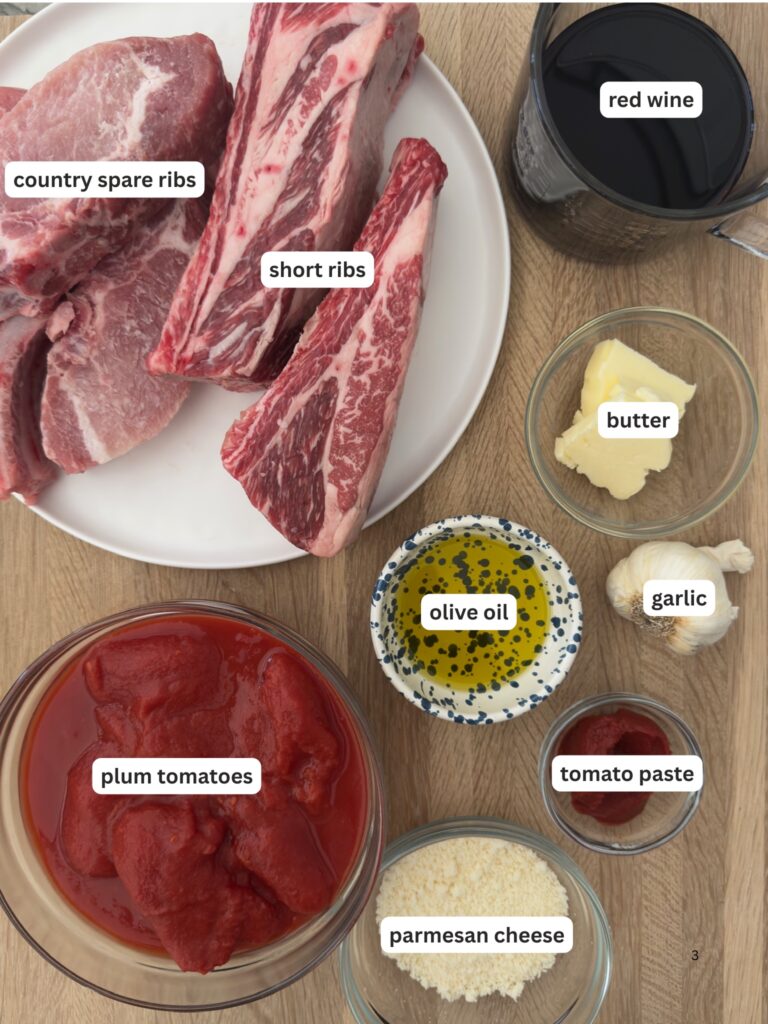
- English-cut beef short ribs — Bone-in beef short ribs give the sauce a deep, rich flavor and help create a silky gravy as they slowly cook.
- Country-style pork ribs — Meaty, bone-in pork ribs add a gentle sweetness and round out the flavor.
- Olive oil — Used with butter to brown the meat and build the base of the sauce.
- Butter — Adds richness, helps the meat brown, and softens the acidity of the tomatoes.
- Garlic cloves — Smashed whole cloves gently flavor the sauce without overpowering it.
- Tomato paste — Cooked briefly in the fat to remove the raw taste and give the sauce a deeper tomato flavor.
- Dry red wine — Deglazes the pot, dissolves the browned bits, and adds warmth and depth to the sauce.
- Whole plum tomatoes — Canned whole tomatoes, pureed smooth, create a silky tomato base that clings to the pasta.
- Water — Added only if needed to keep the meat mostly covered as the Sunday sauce simmers.
- Pecorino Romano or Parmesan cheese — Stirred into the sauce at the end and sprinkled over the pasta for a salty, savory finish.
- Pasta — Any sturdy shape you love with gravy for pasta; rigatoni, paccheri, or spaghetti all work well with this Sunday sauce recipe.
How to Make Sunday Sauce
- Add the canned whole plum tomatoes with their juices to a blender or food processor and pulse until mostly smooth. Set aside.
- Pat the beef short ribs and country-style pork ribs dry with paper towels. Season generously on all sides with kosher salt and freshly ground black pepper, if using.
- Heat the olive oil and butter in a large heavy-bottomed pot over medium-high heat until the butter foams. Add about half of the meat in a single layer and brown well on all sides, about 8–10 minutes total. Transfer to a plate and repeat with the remaining meat.
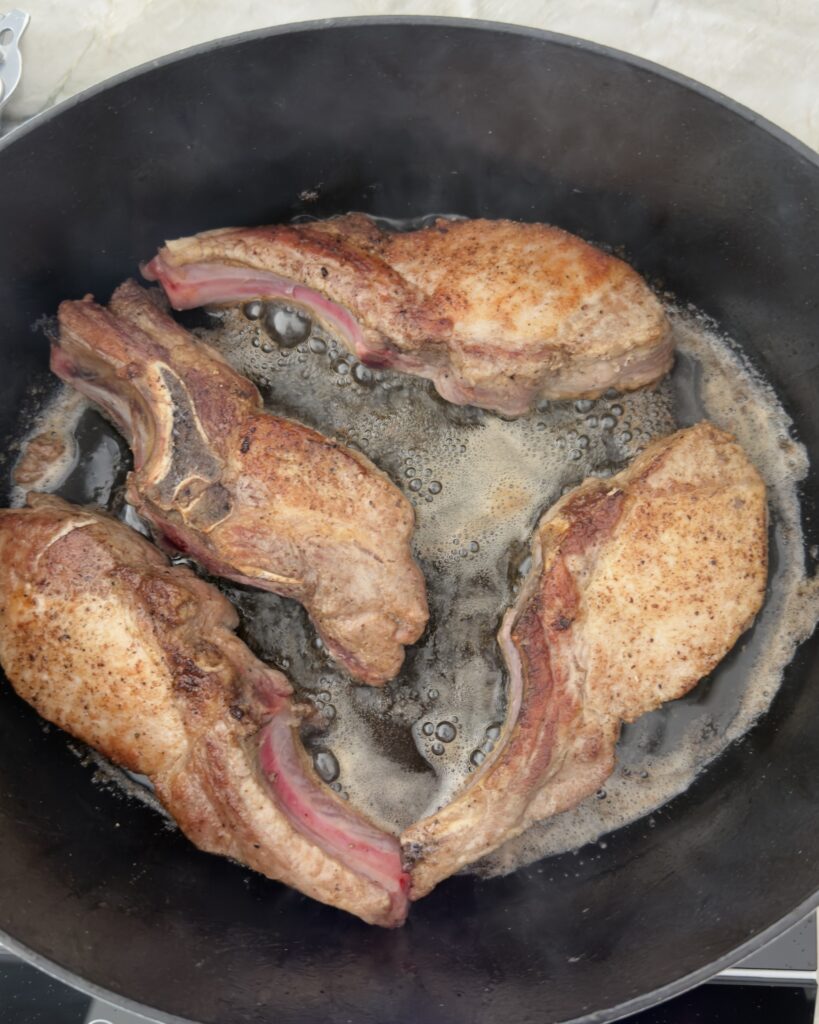
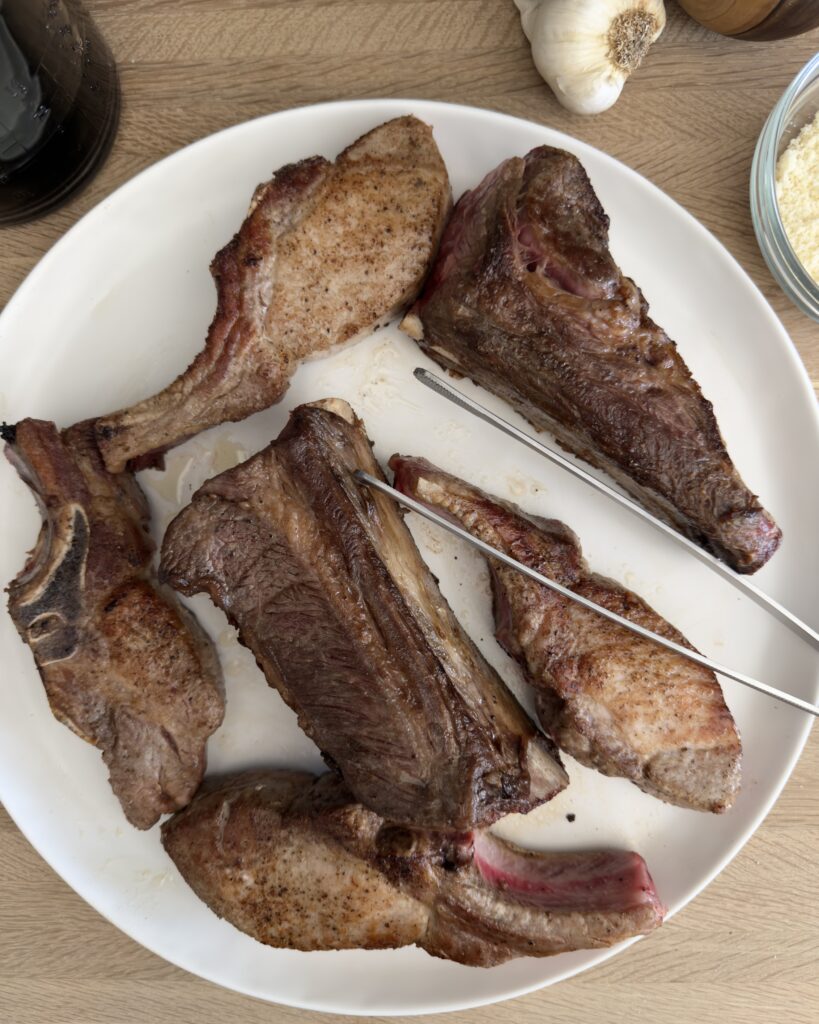
- Turn off the heat. Carefully spoon off and discard most of the rendered fat, leaving about 3 Tablespoons in the pot.
- Turn the heat back to medium-low. Add the smashed garlic cloves and cook for 30 seconds to 1 minute, just until fragrant. Do not let the garlic burn.
- Add the tomato paste and cook for 1–2 minutes, stirring, until it softens and coats the bottom of the pot. Pour in the red wine and use a wooden spoon to scrape up any browned bits from the bottom. Let the wine simmer for 2–3 minutes to cook down slightly.
- Pour in the pureed tomatoes and stir to combine. Add a pinch of kosher salt. Bring the sauce to a gentle simmer over medium heat, then lower the heat and let it simmer uncovered for 20–30 minutes, stirring occasionally, until slightly thickened and the flavors begin to come together.
- Taste the sauce and adjust seasoning with additional kosher salt if needed.
- Nestle the browned beef and pork ribs back into the pot along with any juices from the plate. The meat should be mostly covered by the sauce. If needed, add a little water so the meat is mostly submerged, stirring gently around the meat without breaking it apart.
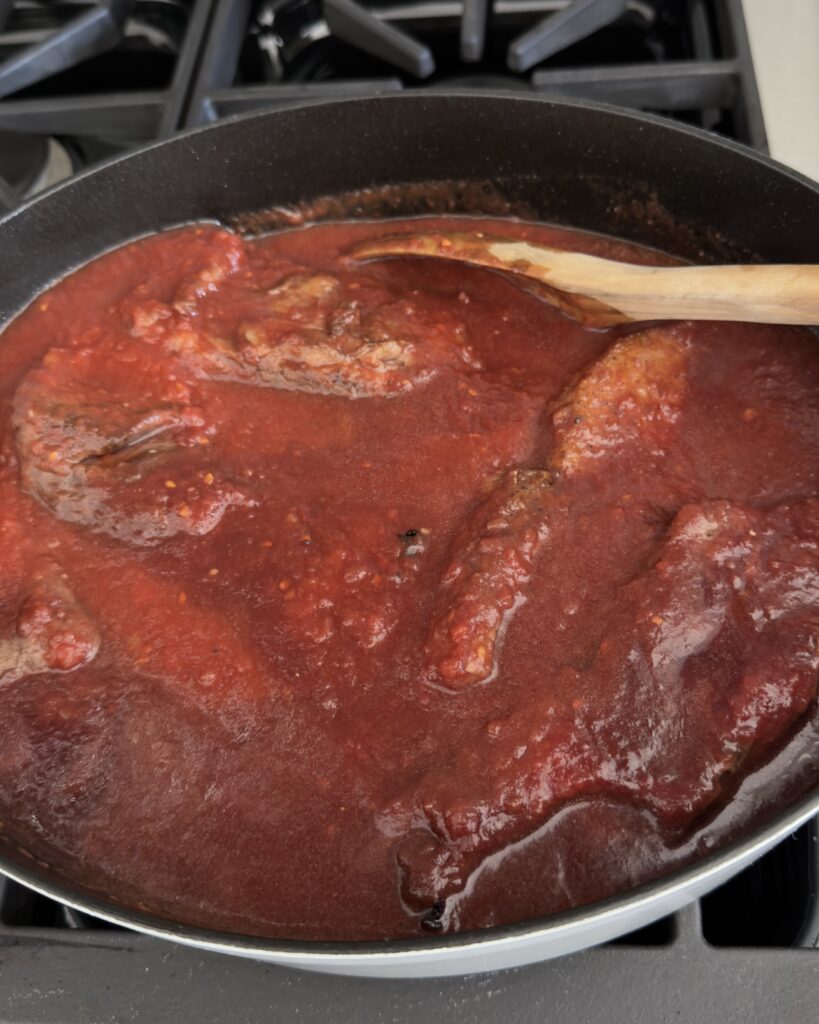
- Bring the pot back to a gentle simmer over medium heat, then lower the heat to low. Cover the pot, leaving the lid slightly ajar, and let it simmer very gently for 6–8 hours, until the meat is fall-apart tender and pulls easily from the bone. Stir every 30–45 minutes, turning the meat and scraping the bottom of the pot, and taste occasionally, seasoning with kosher salt as needed. If the sauce becomes too thick or the meat is no longer mostly covered, add a splash of water and keep the heat low and steady.
- When the meat is very tender, use tongs to carefully lift all the meat out of the pot and arrange it on a serving platter. If there is a noticeable layer of fat on top of the sauce, skim off a little with a spoon.
- Turn off the heat and stir in the grated Pecorino Romano or Parmesan cheese until melted into the sauce. Taste and adjust seasoning if needed.
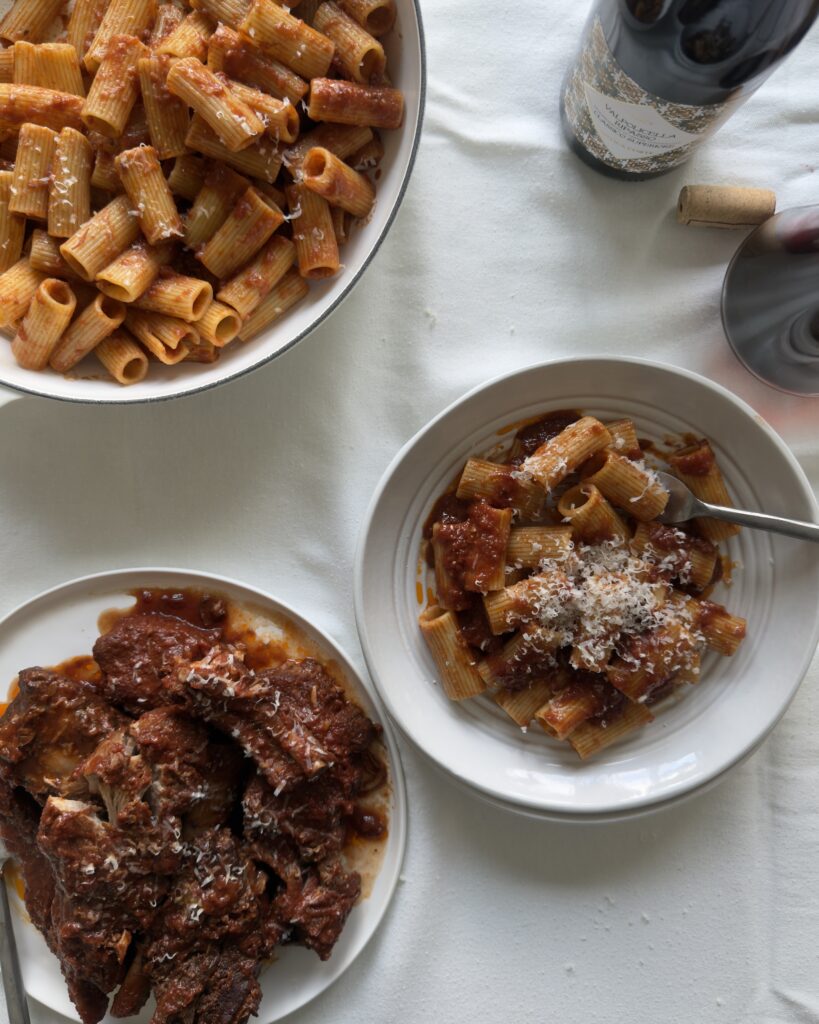
- To serve, spoon a little sauce over the meat. Cook pasta in well-salted water until al dente, then drain. Ladle some of the Sunday sauce over the hot pasta and toss until lightly coated. Finish with extra grated cheese and serve with the meat and additional sauce at the table.
Substitutions and Variations
- Add some Meatballs: In our family, meatballs were sometimes added to the pot for an extra hearty Sunday sauce. Brown them first, then let them finish cooking gently in the sauce so they absorb all that flavor.
- Braciole is a great addition: Braciole is a traditional addition for special occasions. Brown it well before adding it to the sauce, then let it simmer low and slow until tender.
- Beef chuck roast is affordable and so delicious: Cut into large chunks, beef chuck is a great option if you want another beef cut that breaks down beautifully during a long simmer while keeping the sauce meat-forward.
- Tomato passata instead of canned tomatoes: For an extra-smooth Sunday sauce, you can use tomato passata (pureed tomatoes) in place of canned whole tomatoes. Use about 6–7 cups and skip the pureeing step.
Expert Tips for the Best Sunday Sauce
- Simmer it long enough. This Sunday sauce needs time. A long, slow simmer—at least 6 hours—allows the meat to fully tenderize and the sauce to develop its deep, rich flavor. If the meat isn’t easily pulling away from the bone, it simply needs more time.
- Aim for a gentle simmer, not a boil. Keep the sauce at a low, steady simmer. A hard boil can tighten the meat and cause the sauce to reduce too quickly. Low and slow is what gives you that silky, cohesive texture.
- Watch the consistency as it cooks. The sauce will naturally thicken as it simmers. If it gets too thick, add a small splash of water to keep the meat mostly submerged. If it’s too loose, let it simmer uncovered for a bit to reduce.
- Choose the right proteins. Meats, such as short ribs, pork ribs, chuck roast, meatballs, or braciole, work best because they add body and flavor to the sauce as they cook. Always brown the meat first to build depth before simmering.
- Slow cooker option. You can finish this sauce in a slow cooker if needed. After browning the meat and building the sauce on the stove, transfer everything to a slow cooker and cook on low for 6–8 hours.
- No sugar needed. Traditional Sunday sauce in our family never included sugar. A long simmer, high-quality tomatoes, and properly cooked tomato paste naturally balance the acidity without adding sweetness.
What to Serve With Sunday Sauce
This Sunday sauce recipe is more than just gravy for pasta. You can serve it in a few different ways throughout the week:
- With pasta. Toss al dente rigatoni, paccheri, ziti, or spaghetti with some of the Sunday gravy and serve with the meat on top.
- Over polenta. Spoon the sauce and shredded meat over creamy polenta for a cozy alternative to pasta.
- With sautéed spinach or greens. Pair a smaller portion of pasta and meat with garlicky sautéed spinach or Swiss chard for a lighter plate.
- Over spaghetti squash. For a lower-carb option, use roasted spaghetti squash in place of pasta and top it with the sauce and meat.
- On its own with crusty bread. Serve the meat and sauce in shallow bowls with good bread for soaking up every last bit.
Storage
Once the sauce has cooled slightly, store the meat and sauce together in an airtight container in the refrigerator for 3–4 days. The flavor of this Italian Sunday gravy actually improves overnight, so it’s a great make-ahead recipe for company or a holiday meal.
To reheat, warm the sauce and meat gently in a pot over low heat, adding a splash of water if it has thickened too much.
You can also freeze the gravy (with or without the meat) in freezer-safe containers for up to 3 months. Thaw in the refrigerator overnight, then reheat and cook fresh pasta when you’re ready to serve.
Make Ahead Instructions
This Sunday sauce is a great make-ahead recipe, and you can start it in stages if that’s easier. If you want a head start, brown the short ribs and pork ribs, build the tomato base in the pot, then let everything cool and refrigerate overnight.
The next day, bring the sauce back to a gentle simmer and let it cook low and slow for the full 6–8 hours, until the meat is tender. You can also make the full sauce 1–2 days ahead—like most long-simmered sauces, the flavor gets even better after a night in the fridge.
FAQ’s
Sunday sauce is a slow-simmered tomato sauce made with meat. In most Italian-American families, it’s built with bone-in cuts like ribs, sausage, meatballs, or braciole, plus tomatoes, garlic, and time. The meat braises in the sauce for hours, which makes it richer and more flavorful than a quick weeknight sauce.
The biggest difference is time and meat. Marinara is usually a quick tomato sauce (often garlic, olive oil, tomatoes, basil), and it can be ready in 30–45 minutes.
Sunday sauce simmers for hours and is typically made with meat simmering right in the pot, which gives it a deeper, richer flavor.
Bolognese is a meat-based sauce that’s traditionally made with ground meat and a mix of aromatics (like onion, carrot, celery), plus wine and often milk or cream, with a smaller amount of tomato. It’s thick and silky, and usually served with tagliatelle or other wide pasta.
Sunday sauce is tomato-forward and made by braising larger cuts of meat (like ribs, meatballs, braciole, sausage) in tomatoes for hours.
It’s called Sunday sauce because it’s traditionally a weekend or special-occasion sauce — the kind that simmers low and slow while everyone’s home. In a lot of families, Sunday was the day for a big meal, and a long-simmered pot of sauce was a way to feed a crowd and bring everyone to the table.
More Easy Pasta Recipes
Sunday Sauce Recipe (Italian Sunday Gravy)
Equipment
- Large heavy-bottomed pot or Dutch oven 7-9 Quart
Ingredients
- 2 1/2 pounds English-cut bone-in beef short ribs
- 1 1/2 pounds country-style pork ribs bone-in
- 3 Tablespoons olive oil
- 3 Tablespoons butter
- 4-5 whole garlic cloves smashed
- 1 cup dry red wine
- 6 ounces tomato paste
- 2 28-ounce cans whole plum tomatoes, with juices
- water as needed
- Kosher salt to taste
- Freshly ground black pepper
- 1/3 cup finely grated Pecorino Romano or Parmesan cheese plus more for serving
Instructions
- Add the canned whole plum tomatoes with their juices to a blender or food processor and pulse until mostly smooth. Set aside.
- Pat the beef short ribs and country-style pork ribs dry with paper towels. Season generously on all sides with kosher salt and freshly ground black pepper.
- Heat the olive oil and butter in a large heavy pot over medium-high heat until the butter foams. Add about half of the meat in a single layer and brown on all sides, about 8–10 minutes total. Transfer to a plate and repeat with the remaining meat.
- Turn off the heat. Carefully spoon off and discard most of the rendered fat, leaving about 3 Tablespoons in the pot.
- Turn the heat back to medium-low. Add the smashed garlic cloves and cook for 30 seconds to 1 minute, just until fragrant. Do not let the garlic burn.
- Stir in the tomato paste and cook for 1–2 minutes, stirring, until it softens and coats the bottom of the pot. Pour in the red wine and use a wooden spoon to scrape up any browned bits from the bottom of the pan. Let the wine simmer for 2–3 minutes to cook down slightly.
- Pour in the pureed tomatoes and stir to combine. Add a pinch of kosher salt. Bring the sauce to a gentle simmer over medium heat, then lower the heat and let it simmer uncovered for 20–30 minutes, stirring occasionally, until slightly thickened and the flavors begin to come together.
- Taste the sauce and adjust seasoning with additional kosher salt if needed.
- Nestle the browned beef and pork ribs back into the pot along with any juices from the plate. The meat should be mostly covered by the sauce. If needed, add a little water so the meat is mostly submerged.
- Bring the pot back to a gentle simmer over medium heat, then lower the heat to low. Cover the pot, leaving the lid slightly ajar, and let it simmer very gently for 6–8 hours. Stir every 30–45 minutes, turning the meat and scraping the bottom of the pot, and taste occasionally, seasoning with kosher salt as needed. If the sauce becomes too thick or the meat is no longer mostly covered, add a splash of water and keep the heat low and steady.
- When the meat is very tender and pulls easily from the bone, use tongs to carefully lift all the meat out of the pot and arrange it on a serving platter. If there is a noticeable layer of fat on top of the sauce, skim off a little with a spoon.
- Turn off the heat and stir in the grated Pecorino Romano or Parmesan cheese until melted into the sauce. Taste and adjust seasoning if needed.
- To serve, spoon a little sauce over the meat. Cook pasta in well-salted water until al dente, then drain. Ladle some of the Sunday sauce over the hot pasta and toss until lightly coated. Finish with extra grated cheese and serve with the meat and additional sauce at the table.
Notes
- This Sunday sauce is meant to simmer low and slow. A gentle simmer (not a boil) is key for tender meat and a rich, silky sauce.
- Stir the sauce every 30–45 minutes, scraping the bottom of the pot, and taste occasionally, seasoning with kosher salt as needed.
- If the sauce thickens too much during cooking, add a small splash of water to keep the meat mostly submerged.
- Skim any excess fat from the surface near the end of cooking for a cleaner, more balanced sauce.
- Stir the Parmesan or Pecorino cheese into the sauce off the heat so it melts smoothly without clumping.
- This sauce tastes even better the next day and can be made ahead and reheated gently over low heat.
- The sauce (with or without the meat) can be frozen for up to 3 months. Thaw overnight in the refrigerator before reheating.




Question- do you serve the meat on the side?
Hi Jen! Yes — I usually serve the meat on the side and toss the pasta with just the sauce. Some people like to shred a little of the meat into the sauce for extra richness, and you can absolutely do that too. It’s really personal preference, but that’s how we serve it.