Pork Milanese Recipe
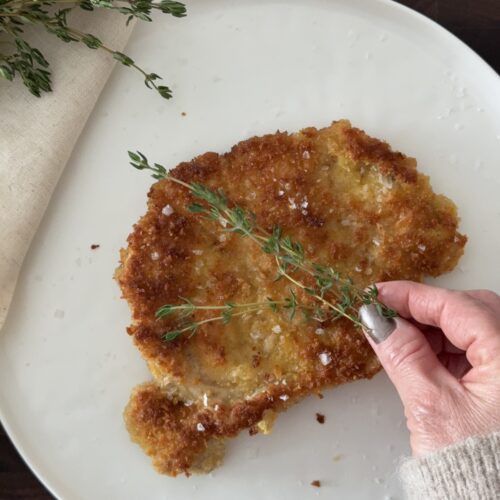
This Pork Milanese recipe is a twist on the classic chicken or veal Milanese. It’s the perfect weeknight dinner to pair with a simple side dish and comes together in under 30 minutes. These crispy pork cutlets are affordable, yet elegant and restaurant-quality in every bite.
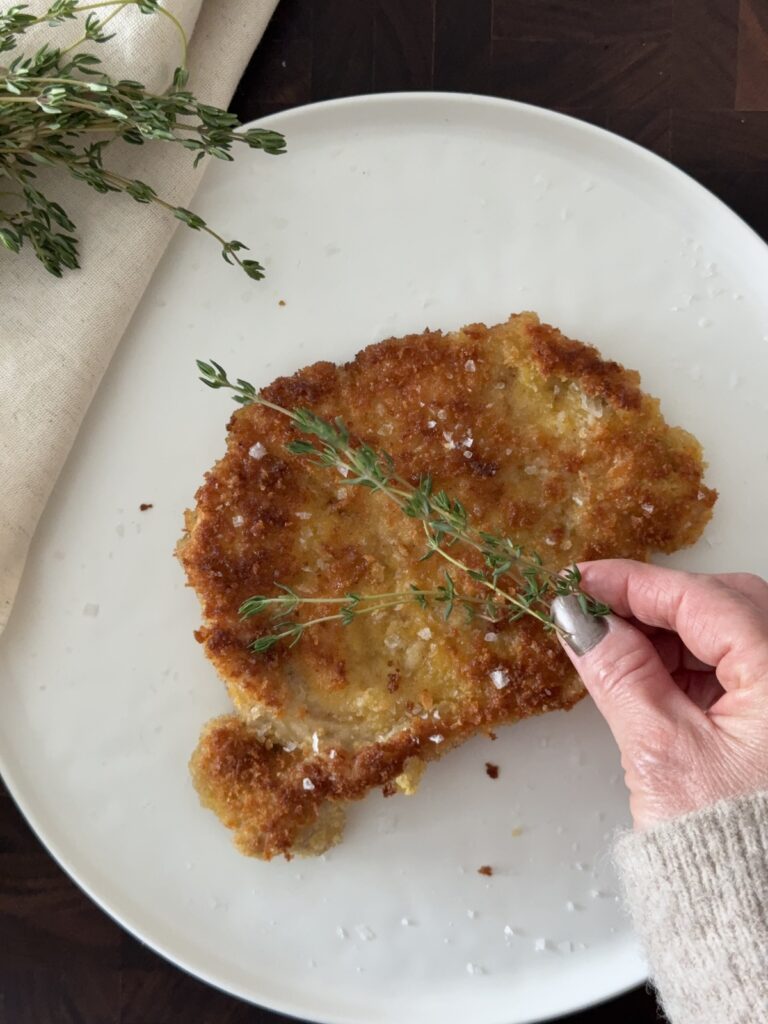
If you love chicken or veal Milanese, you’ll be happy to know you can also make it with pork—and it’s just as delicious. Our family loves Pork Milanese (also known as a fried pork cutlet) all different times of the year since it’s both affordable and delicious. When pork chops are pounded thin, they become moist and tender when they’re breaded and shallow fried on the stove.
In our house, Milanese is a staple. I’ve been making it since my kids were very little, and it’s still one of their absolute favorites. Whether it’s chicken, veal, or pork, they love it in any form, and I’ve probably eaten Milanese hundreds of times over the years. Plus, it’s perfect for pairing with literally any side dish, making meal prep easy.
If you’re looking for more Italian dinner inspiration, check out my full collection of Main Courses. And if you love this recipe, you’ll also want to try my family’s famous Italian Chicken Cutlets—a lighter variation we make just as often in our kitchen.
Table of Contents
Why You’ll Love This Recipe
- Easy weeknight dinner that feels upscale. With just a handful of pantry ingredients, this pork milanese is restaurant-quality without much effort.
- Great make-ahead recipe. Bread the cutlets in advance, refrigerate, then fry right before serving. They also reheat well in the oven.
- Perfect protein to pair with sides. Serve with a crisp salad, roasted vegetables, or a bowl of pasta.
What Is Pork Milanese?
Pork Milanese (Cotoletta alla Milanese) is a variation of the classic Italian dish traditionally made with veal or chicken. The meat is pounded thin, coated in flour, egg, and breadcrumbs, then pan-fried until golden brown. The result is a crispy crust with juicy, tender meat inside.
For a more relaxed term, they are often also called pork cutlets. It’s often served simply with lemon wedges and an arugula salad, making it a dish that feels both elegant and comforting.
Ingredients
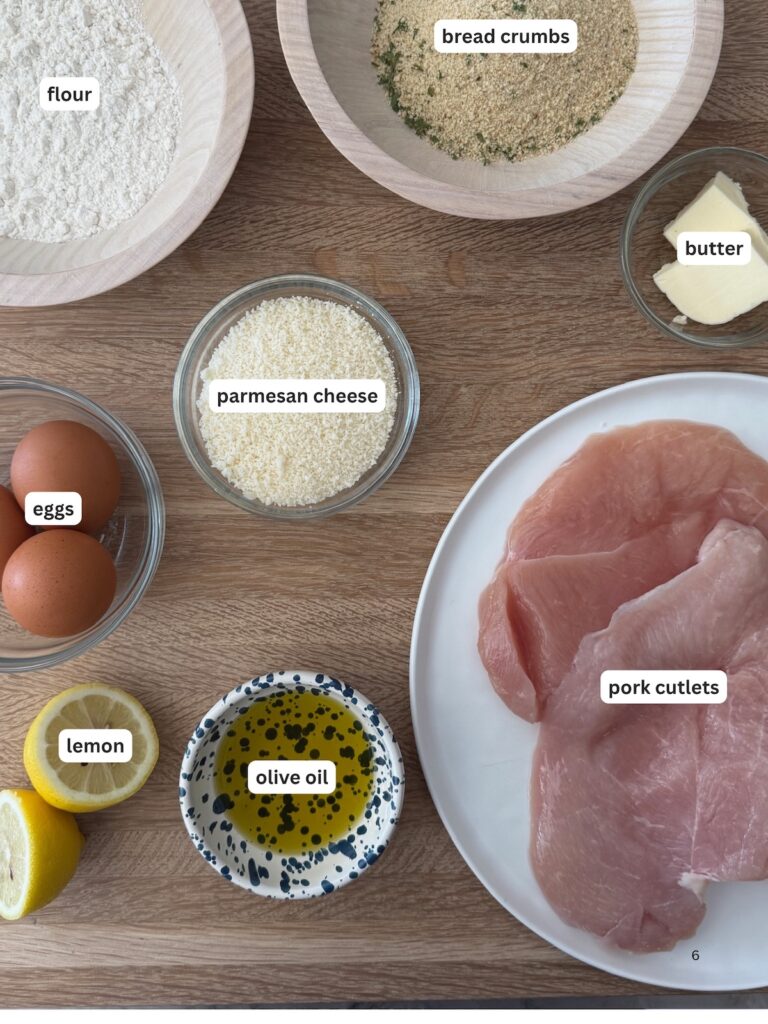
- Boneless pork loin cutlets – Pound thin to about ¼-inch thickness so they cook quickly and evenly. You can also use bone-in, just make sure you can still easily pound them thin around the bone.
- Salt and black pepper – Seasoning for flavor.
- All-purpose flour – Helps the egg and breadcrumb coating stick to the pork.
- Eggs – Beat lightly to create the binding layer for breading.
- Plain breadcrumbs – Provide a crisp, golden coating that stays close to the pork.
- Grated Parmesan cheese – Adds nutty, savory flavor to the breadcrumb mixture.
- Olive oil and butter – Used together for pan-frying. The olive oil helps with frying while the butter adds flavor and encourages golden browning.
- Flaky sea salt – Sprinkled over the cutlets after frying for a final pop of salt and a delicate crunch.
- Lemon wedges – The classic finishing touch for brightness.
How to Make Pork Milanese
- Pound the pork cutlets to about ¼-inch thickness. Season both sides with salt and black pepper.
- Place the flour in a shallow bowl.
- In a second bowl, beat the eggs.
- In a third shallow bowl, combine the breadcrumbs and Parmesan cheese.
- Dredge each pork cutlet in the flour, shaking off any excess. Dip into the beaten eggs, allowing the excess to drip off, then press into the breadcrumb mixture until evenly coated on both sides.
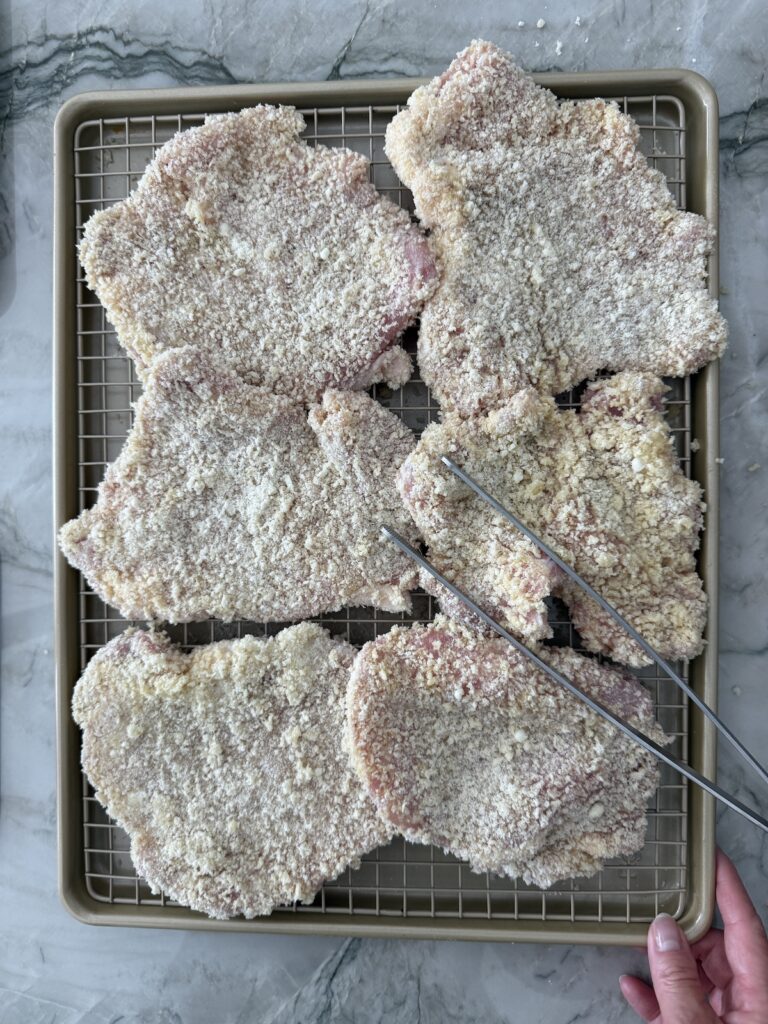
- Heat the olive oil and butter in a large frying pan over medium heat. Cook the pork cutlets for 2–3 minutes per side, until golden brown and cooked through. The pork should reach an internal temperature of 145°F.
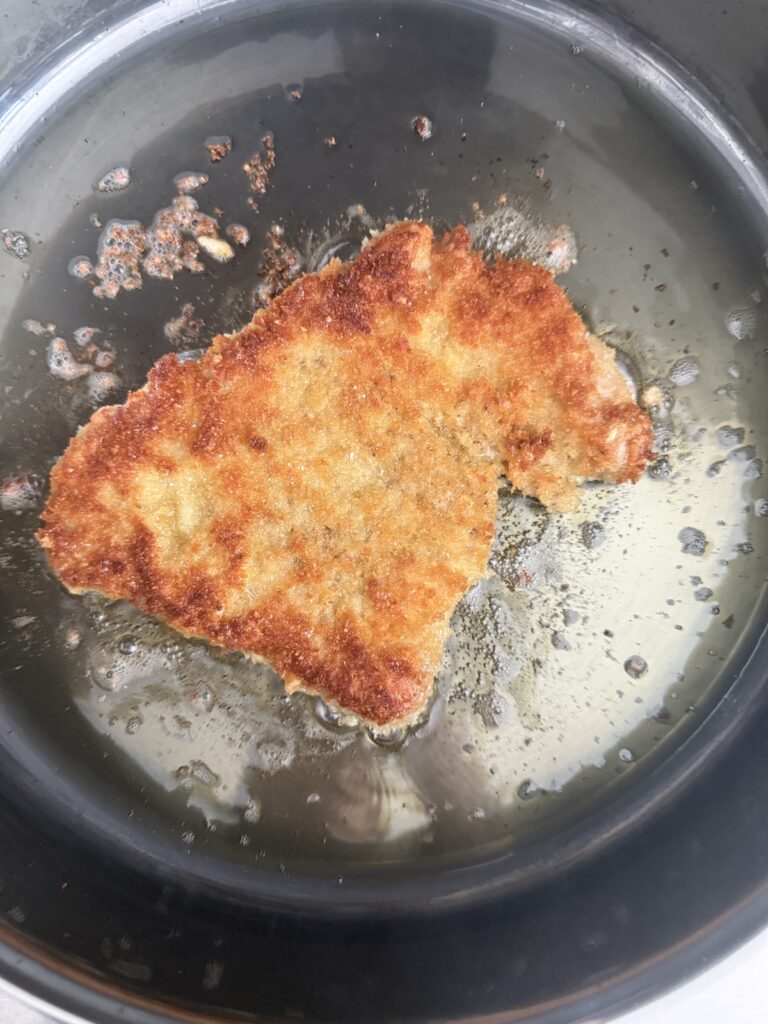
- If cooking in batches, transfer the cooked pork cutlets to a wire rack set over a baking sheet and keep warm in a 250°F oven while cooking the remaining cutlets.
- Sprinkle the pork cutlets with flaky sea salt and serve immediately with lemon wedges.
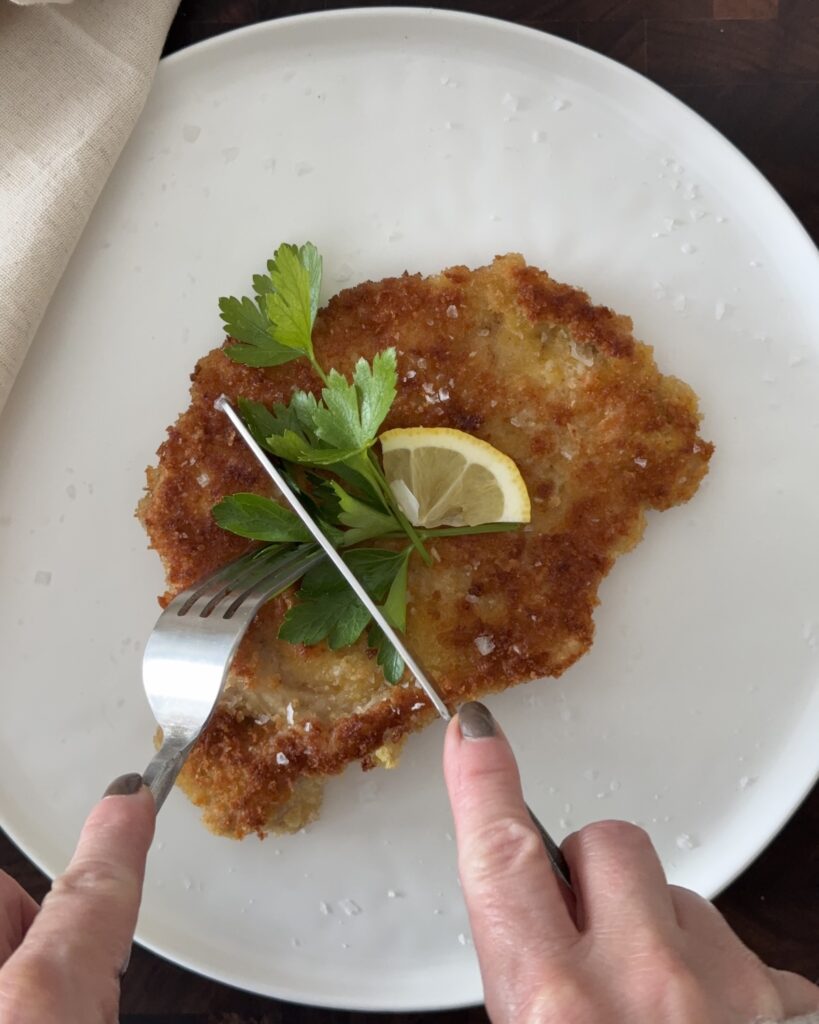
Jenn’s Tip: You can use either boneless or bone-in pork chops for Milanese. For boneless, buy chops about 1″ thick and pound to ¼″. For bone-in, choose chops around 1½″ thick and lightly pound or tenderize the meat around the bone. You won’t get them quite as thin, but they’ll still cook evenly and stay juicy.
Expert Tips
- Refrigerate the breaded cutlets for 15–20 minutes before frying. This helps the coating stick and turn extra crispy.
- Make the cutlets the same thickness. Pound pork to an even thickness for even cooking so they don’t burn or dry out.
- Heat the oil to the right temperature. If it’s too cool, the cutlets absorb oil; too hot, they burn. Medium heat is usually perfect.
- Pork is done at 145°F internal temperature on a meat thermometer and should be juicy inside.
- Drain the fried pork on a wire baking rack instead of paper towels to keep the crust from getting soggy.
What to Serve With Pork Milanese
I love to keep the sides simple and fresh when serving Pork cutlets. My go-to is a crisp arugula salad tossed with a lemon vinaigrette. The brightness balances out the crispy pork beautifully.
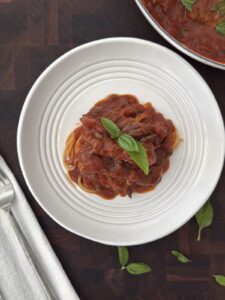
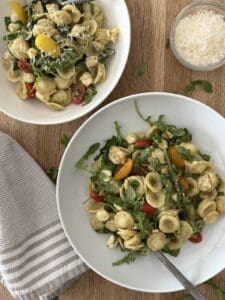
It also pairs perfectly with pasta, and a few of my favorites include our Spaghetti with Lemon Cream Sauce, Pasta e Piselli, and my refreshing Caprese Pasta Salad. These lighter sides let the Milanese shine while rounding out the meal.
Storage and Freezing
Store leftover Pork Milanese in an airtight container in the refrigerator for up to 3 days. Reheat in a 350°F oven for 8–10 minutes until hot and crispy.
To freeze, place cooked cutlets in a single layer on a baking sheet, freeze until solid, then transfer to a freezer bag for up to 2 months. Reheat directly from frozen in the oven until warmed through.
FAQs
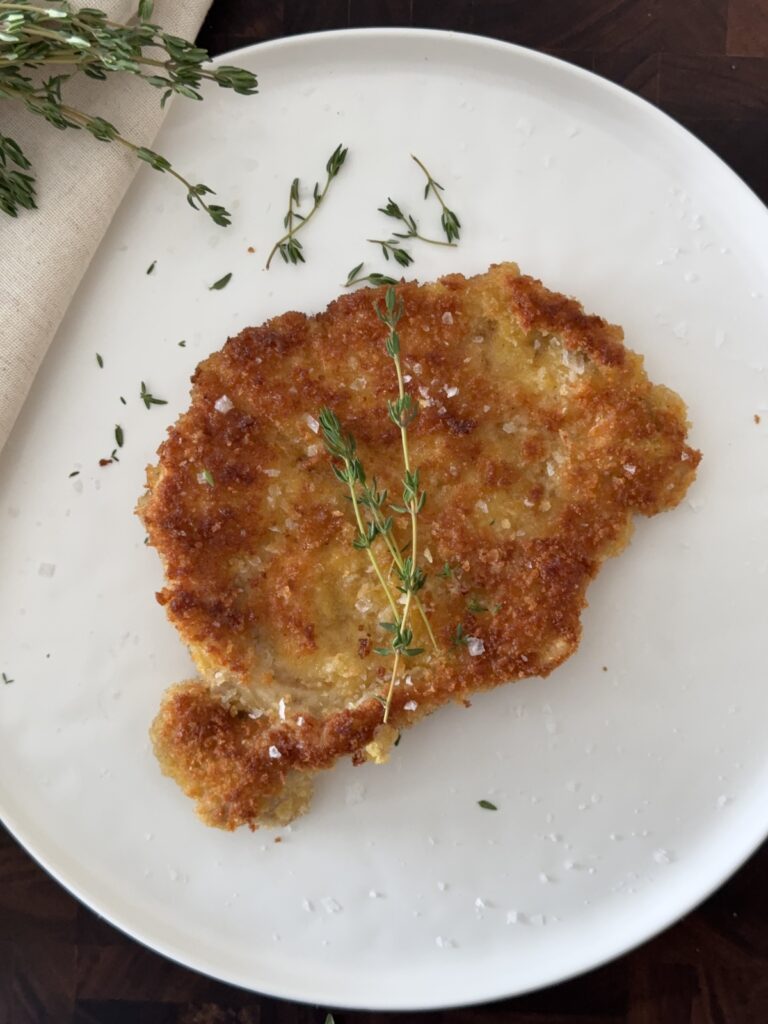
Pork Milanese is made with simple ingredients: pork cutlets, flour, eggs, breadcrumbs, and Parmesan cheese. The cutlets are pounded thin, breaded, and pan-fried until golden and crispy. I like to finish it with a squeeze of lemon and serve it with a fresh salad or pasta.
“Milanese” refers to the style of breading and pan-frying meat, originating in Milan, Italy. The traditional version is Cotoletta alla Milanese, usually made with veal, but chicken, pork, and even fish can be prepared this way.
If your Pork Milanese turns out soggy, it’s usually because the oil wasn’t hot enough, the pan was overcrowded, or the cutlets were drained on paper towels instead of a rack. For the crispiest results, fry in batches, keep the oil at a steady medium heat, and always let the cutlets rest on a wire rack.
Yes! Milanese works beautifully with chicken, veal, turkey, or even a firm white fish. I make chicken Milanese often for my kids, but pork is one of my favorites because it’s budget-friendly and has so much flavor.
More Easy Italian Dinners
Pork Milanese Recipe
Equipment
- Meat mallet (for pounding pork)
- Large frying pan
- Baking sheet
- Wire rack
Ingredients
- 4 boneless pork loin cutlets pounded to ¼-inch thickness
- 1 teaspoon salt
- ½ teaspoon black pepper
- ½ cup all-purpose flour
- 2 large eggs
- 1 ½ cups plain bread crumbs
- ⅓ cup finely grated Parmesan cheese
- ½ cup olive oil for frying
- 2 tablespoons unsalted butter, for frying
- flaky sea salt, for serving
- lemon wedges for serving
Instructions
- Pound pork to about ¼-inch thickness. Season both sides with salt and pepper.
- Place the flour in a shallow bowl.
- In a second bowl, beat the eggs.
- In a third bowl, combine the plain breadcrumbs and Parmesan cheese.
- Dredge each pork cutlet in the flour, shaking off any excess; dip in the beaten eggs, then press into the breadcrumb mixture until evenly coated.
- Heat the olive oil and butter in a large frying pan over medium heat. Cook the pork cutlets for 2–3 minutes per side, until golden brown and cooked through. The pork should reach an internal temperature of 145°F.
- Transfer the cooked pork cutlets to a wire rack set over a baking sheet. If not serving immediately, place in a 250°F oven to keep warm until ready to serve.
- Sprinkle the pork cutlets with flaky sea salt and serve immediately with lemon wedges.
Notes
- For extra crispiness, let the breaded pork rest for 5 minutes before frying.
- Leftovers can be stored in an airtight container in the refrigerator for up to 2 days. Reheat in a 350°F oven until warmed through and crisp.
- You can substitute chicken cutlets or veal for pork to make variations of Milanese.